Portable Handheld Thermal Imaging Camera Explained: A UK Buyer's Guide
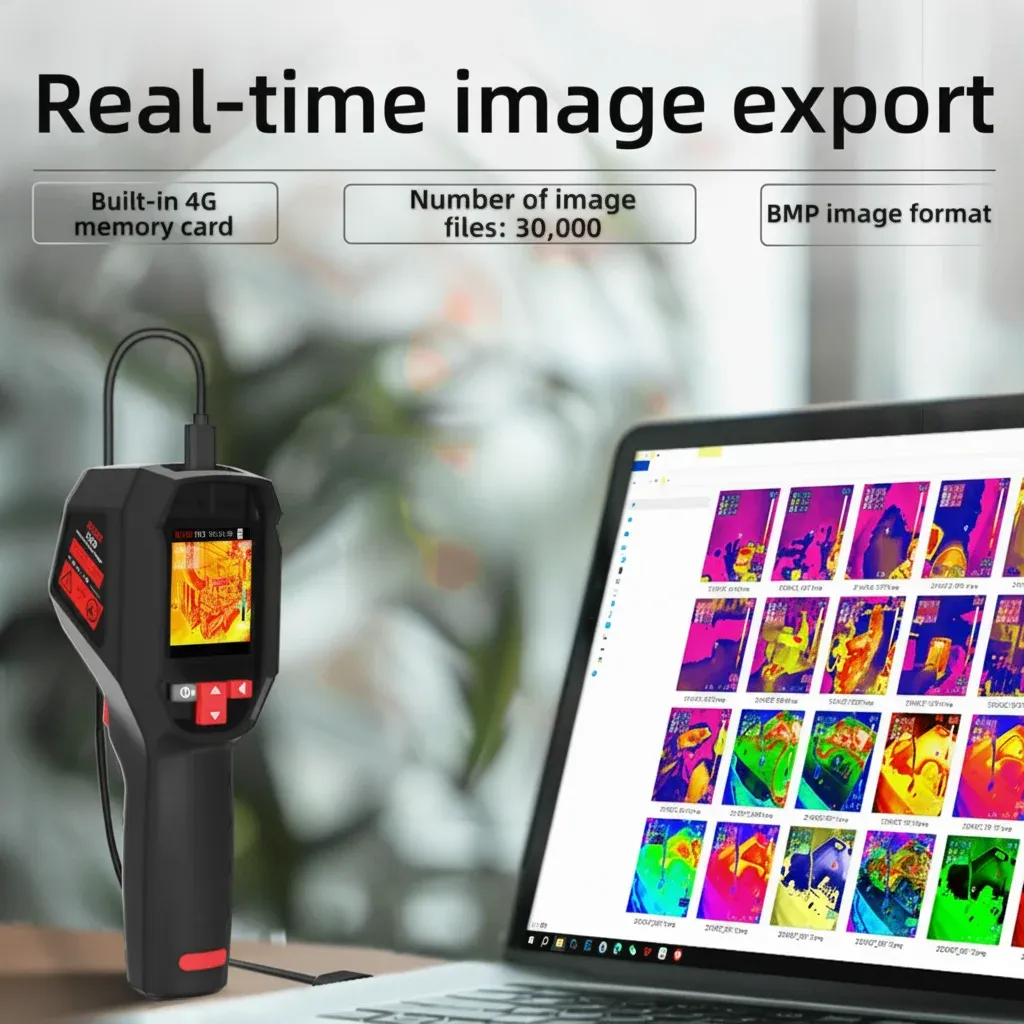
TL;DR: A portable handheld thermal imaging camera is a compact, easy-to-carry tool that helps UK tradespeople quickly spot heat loss, overheating electrics, damp-related temperature differences and HVAC faults. Based on our testing and real-world trade use, the most useful models combine good thermal resolution, a smooth refresh rate, reliable battery life and simple one-handed operation for faster diagnosis on site.
A portable handheld thermal imaging camera is a compact infrared device used to detect surface temperature differences and display them as a visual heat map, helping UK electricians, HVAC engineers, surveyors and maintenance teams find faults quickly without intrusive investigation. In practice, it is especially useful for identifying overheating circuits, hidden insulation gaps, damp patterns, underfloor heating runs and building fabric issues during live site visits.
When time on site matters, being able to spot faults in seconds can reduce repeat visits and help you evidence problems clearly to clients. Therefore, portability is not just convenient; it often determines whether thermal imaging is practical in real working conditions across British homes, commercial buildings and plant rooms.
ImageColor positions its range around that reality: professional handheld thermal imaging for UK trades, with 240x240 resolution, 25Hz refresh rate and 15 colour palettes designed to help users find faults faster. This guide explains what a portable handheld thermal imaging camera does, which specifications matter in practice, and how to choose the right model for British job sites.
Key Takeaways
- A portable handheld thermal imaging camera detects surface temperature differences and turns them into a visual heat map for fast fault finding.
- For UK trades, key buying factors include thermal resolution, refresh rate, portability, battery life, palette options and reporting workflow.
- A 240x240 thermal resolution gives noticeably more usable detail than entry-level lower-resolution units when inspecting electrical systems, HVAC components and building fabric.
- 25Hz refresh rate helps when moving between assets or surveying larger areas without lag.
- Portable models are especially useful for electrical inspections, heating diagnostics, roof and insulation checks, underfloor heating tracing and pre-purchase home inspections.
- Thermal cameras support diagnosis; however, findings should still be interpreted alongside training, moisture meters, electrical testing equipment and relevant UK standards.
What is a portable handheld thermal imaging camera?
A portable handheld thermal imaging camera is a compact device that measures infrared radiation from surfaces and converts it into a thermographic image. Hotter and cooler areas appear as contrasting colours or tones, helping the user identify abnormal patterns that would be invisible to the naked eye.
The distinction matters. Portable means it is easy to carry around properties, plant rooms, roofs or service voids. Handheld means it is designed for one-person use on live jobs rather than fixed monitoring. Thermal imaging means it visualises temperature variation rather than producing only a standard optical photograph.
In practical terms, this lets a tradesperson scan a distribution board for overloaded breakers, check radiator balancing issues room by room, identify insulation gaps around loft hatches or detect suspect damp areas before opening up finishes. As a result, many UK professionals use handheld thermography to speed up diagnosis and improve reporting.
Why does portability matter in a handheld thermal imaging camera?
Portability sounds obvious until you compare real site use with spec sheets. A bulky unit that stays in the van will usually be used less often than a properly balanced handheld model that can be switched on quickly while moving through occupied homes, commercial premises or construction environments.
Why is a portable thermal camera better in tight spaces?
British properties often present awkward access points: narrow airing cupboards, compact utility rooms, cramped meter positions and loft spaces with limited headroom. Consequently, a portable handheld unit makes it easier to inspect these areas without setting up extra kit.
Does portability make surveys faster?
If you are carrying out multiple inspections across a day, weight and ergonomics matter. Moving from room to room in tenanted housing or across floors in office buildings becomes easier when the device sits comfortably in one hand and responds quickly as you walk.
Can a handheld thermal imaging camera help explain faults to clients?
Yes. A homeowner or facilities manager usually understands an issue faster when you can show them the screen immediately at the point of inspection. In turn, that can help with approval for remedial work and reduce disputes about whether a fault exists.
Is a portable model better for emergency call-outs?
When attending breakdowns or urgent fault-finding visits, engineers need tools that deliver answers quickly. Therefore, a portable camera can be taken straight to the suspected area without additional setup time.
If you want broader background on specification levels and professional use cases, see The Ultimate Guide to Professional Handheld Thermal Imaging Camera in the UK.
What is a portable handheld thermal imaging camera used for in the UK?
Can it be used for electrical inspections?
This is one of the strongest use cases. Uneven heating at breakers, fuses, terminations or busbars can indicate loose connections, imbalance or overload conditions. However, thermal imaging does not replace safe isolation procedures or electrical test instruments; instead, it helps prioritise investigation quickly.
Can it help with HVAC diagnostics?
For heating and ventilation engineers, thermal cameras can reveal blocked coils, underperforming emitters, duct leakage patterns and poor heat distribution. On underfloor heating systems they are particularly useful for tracing pipe runs or identifying cold spots without intrusive work.
Is it useful for home inspections and building surveys?
Yes. Surveyors use thermal images to support observations around insulation defects, air leakage paths and moisture-related anomalies. In older British housing stock with mixed upgrades over time, these patterns are common and often difficult to demonstrate using visual inspection alone.
Can it be used for roofs and building fabric checks?
Flat roofs can show heat differentials linked with trapped moisture under certain conditions. External walls may reveal missing insulation zones or bridging around openings. Even so, interpretation still depends on weather conditions and operator experience; portability simply makes these surveys far more practical on site.
Is it suitable for facilities maintenance?
In schools, healthcare buildings and offices, estates teams can use handheld thermography as part of planned maintenance rounds to identify hotspots before failure occurs. NHS estates teams and contractors often work within tight maintenance windows where quick non-contact checks are valuable.
According to Health and Safety Executive reporting for Great Britain, electricity continues to cause serious workplace incidents each year. Thermal screening of electrical assets can therefore support proactive maintenance when used correctly alongside wider inspection regimes.[1]
What specifications matter most when buying a portable handheld thermal imaging camera?
How important is thermal resolution?
This is one of the first figures to check because it affects how much detail you can actually see. Based on our testing of trade-focused devices in realistic inspection scenarios, higher resolution gives clearer differentiation between adjacent components and more confidence when identifying small hotspots or subtle heat loss patterns.
ImageColor’s core message highlights 240x240 resolution because it provides substantially more usable image data than low-entry models. For trade work this means clearer definition when inspecting consumer units, pumps,<|vq_1906|>.
Ready to upgrade your diagnostics with ImageColor?
Shop Now — £206.27